

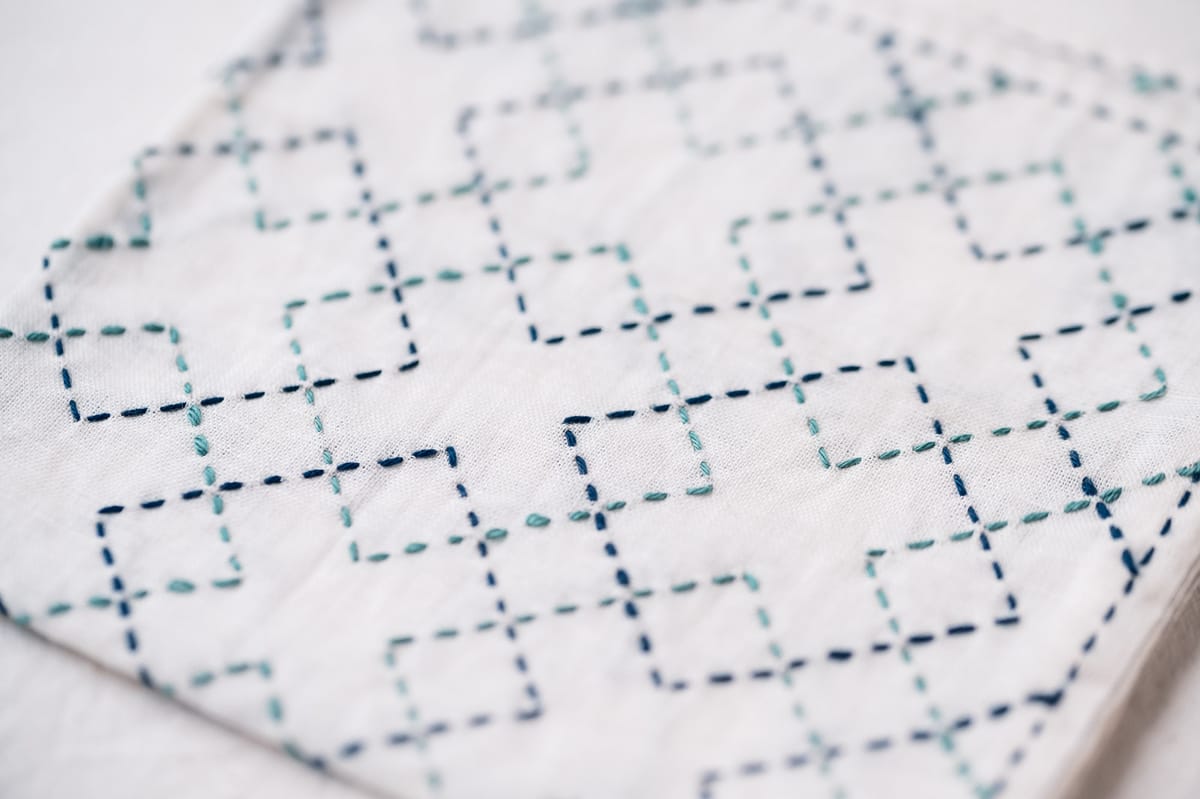
Sashiko Pattern Kasanemasusashi 枡刺し means “layered masu stitching” and may help you prosper | Sashiko Pattern
Meaning and history of the sashiko pattern kasanemasusashi
The sashiko pattern kasanemasusashi 重ね枡刺し is a traditional sashiko pattern with deep roots in Japanese culture and symbolism.
The word masu 枡 refers to a square measuring box used in Japan. A different word with the same sound, spelled with a different kanji is the verb masu 増す, meaning “to increase” or “to prosper.”
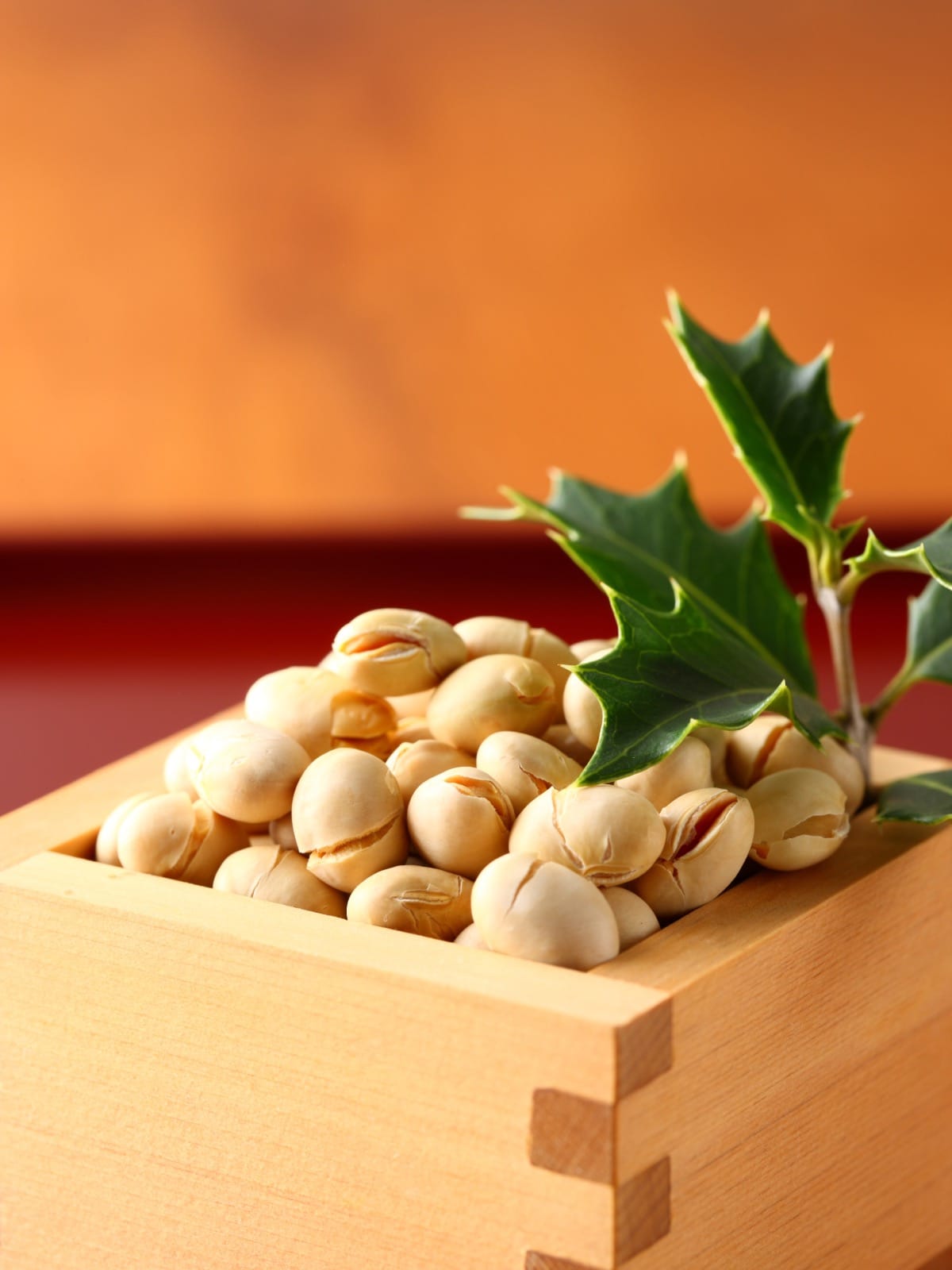
Thanks to the positive meaning of its homophone, the word masu acquired a positive connotation, symbolizing growth, prosperity, and good fortune.
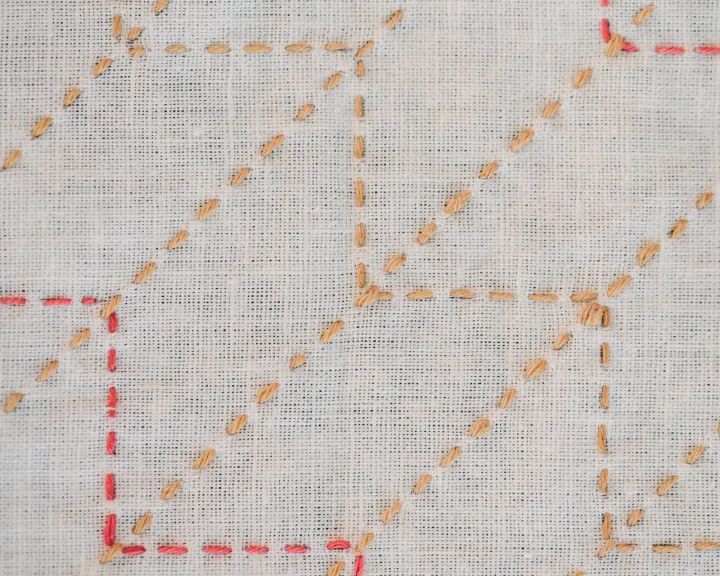
The measuring cup is represented by a simple square. One square is layered with four other squares, one in every corner.
The verb 重ねる kasaneru means “to layer.” In its conjunctive form, the verb becomes “kasane,”
The kasane part of the word amplifies the positive meaning of “masu.”
The last bit of the pattern's name, 刺し sashi, is the same as the first part of 刺し子 sashiko, and means “to pierce”, or “to stab.”
Stitching this pattern onto clothing is believed to create a protective charm, embodying layers of prosperity and good fortune.
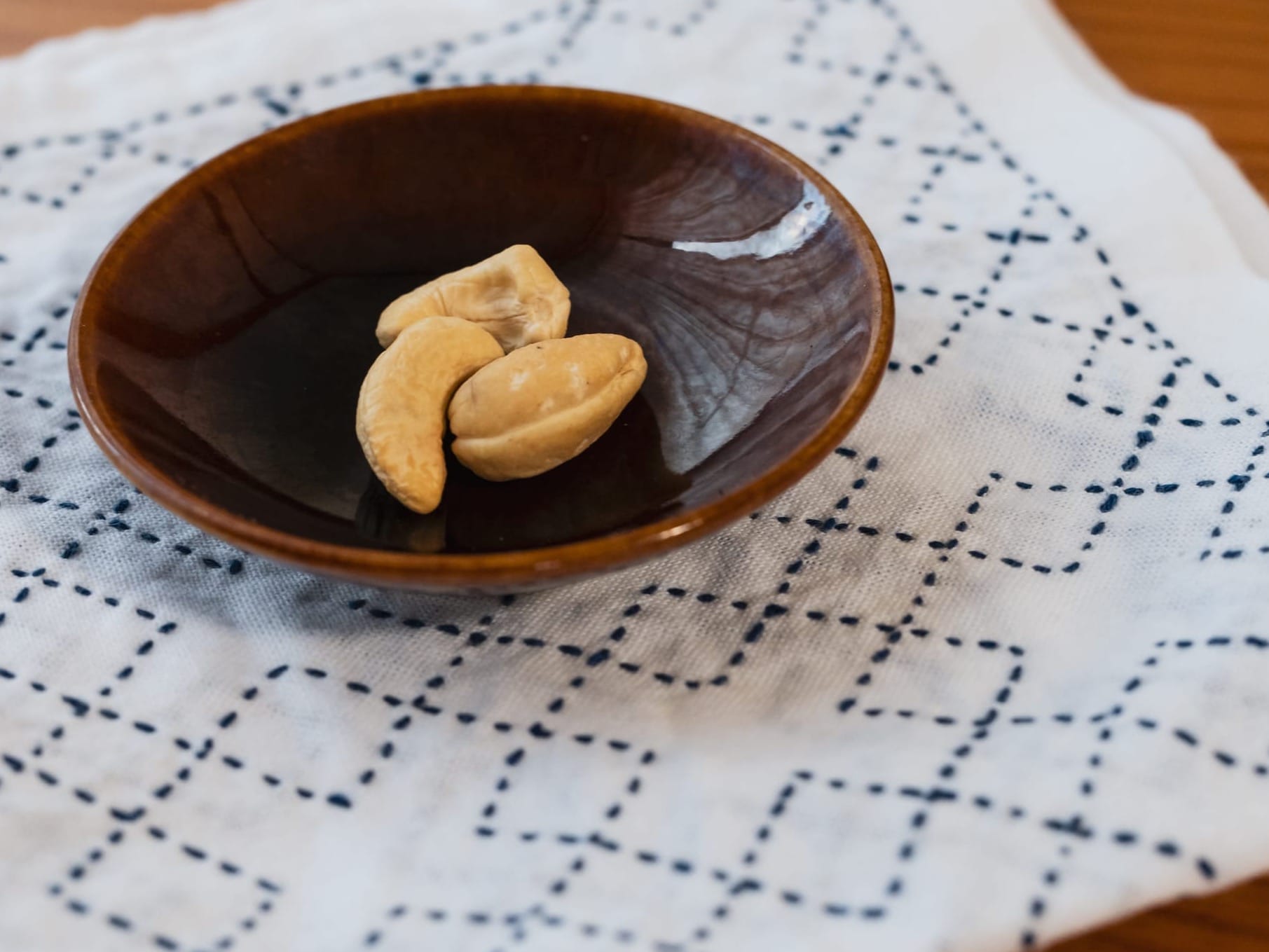
The Symbolism behind the sashiko pattern kasanemasusashi
The kasanemasusashi – or simply masusashi – pattern consists of overlapping squares, visually representing the idea of “increasing” or “improving.” This auspicious pattern carries the meaning of continuous progress and success, making it a favored design for traditional textiles.
Historically, masusashi was a common decorative motif in sashiko-stitched garments from regions such as Aizu in Fukushima, Yamagata, and Akita. These areas, known for their rich sashiko traditions, often incorporated masusashi into workwear and household textiles to bring good luck and protection to their wearers.
Kabuki and the related three-square pattern: Mimasumon
One variation of the masusashi pattern is called mimasumon 三枡紋, also referred to as mimasugōshi 三枡格子. It consists of three nested squares of varying sizes: large, medium, and small. This design carries additional layers of meaning, symbolizing hierarchy, order, and family structure.
In some interpretations, the three squares represent the members of a household. The head of the household is represented by the biggest square, the other male members by the middle square, and the female members of a household by the smallest square. The size differences reflect the roles and relationships within the household, emphasizing respect and harmony.
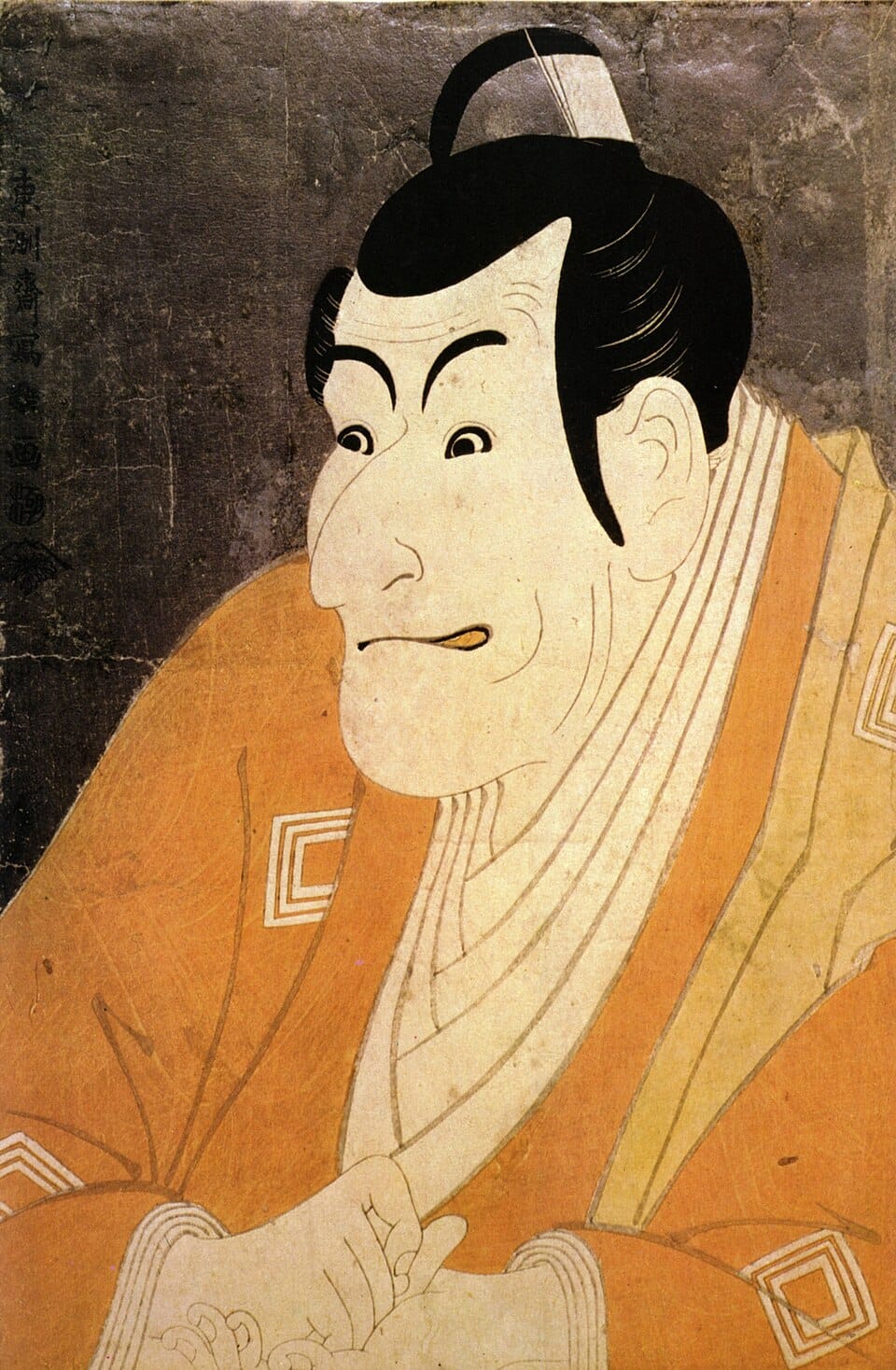
The mimasumon was adopted as a family crest by the famous Kabuki actor lineage of Ichikawa Danjūrō.
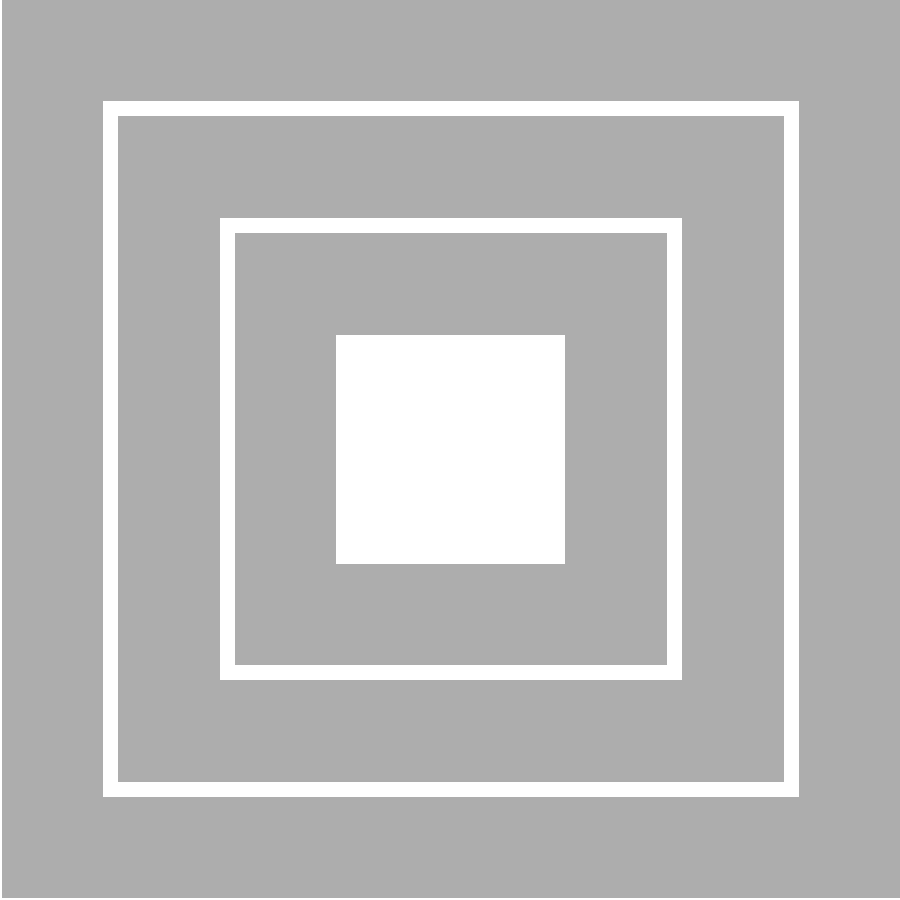
The above design is kindly presented by Irohakamon.
Masusashi as a symbol of connection
Beyond its aesthetic appeal, the overlapping nature of the masusashi pattern carries the meaning of binding people together. The interconnected squares reflect relationships, cooperation, and the importance of community.
This makes masusashi a particularly meaningful design for those who wish to express goodwill and strong ties among loved ones.
Embracing masusashi in modern sashiko
Today, Masusashi remains a cherished pattern in sashiko, embodying both its historical significance and timeless beauty. Whether used in traditional garments, contemporary textiles, or decorative pieces, this auspicious pattern continues to inspire and connect people through the art of stitchwork.
By incorporating Masusashi into your sashiko projects, you can celebrate a design that has stood the test of time. This way, you carry forward the spirit of prosperity, harmony, and connection.
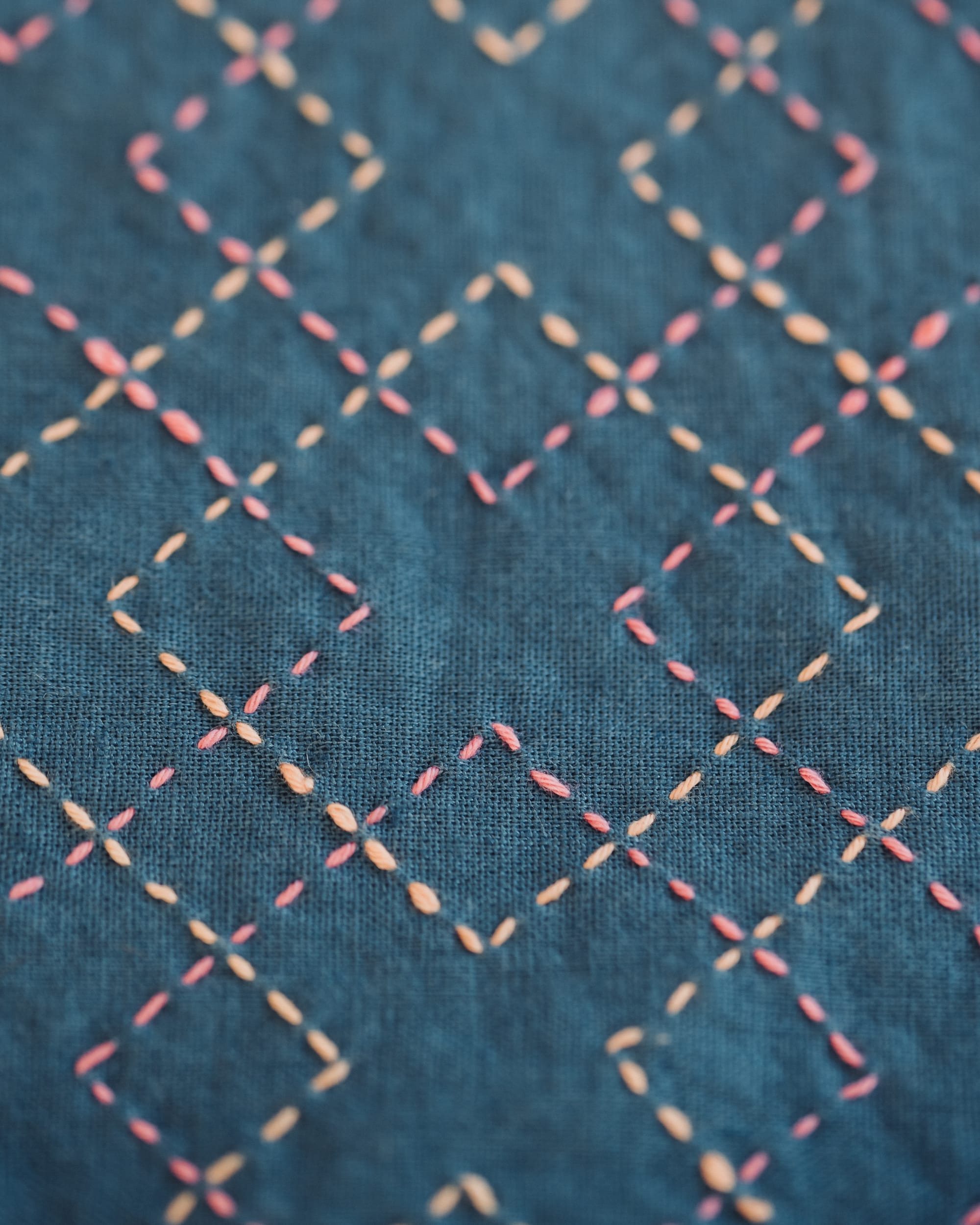
Stitching advice for sashiko pattern kasanemasusashi
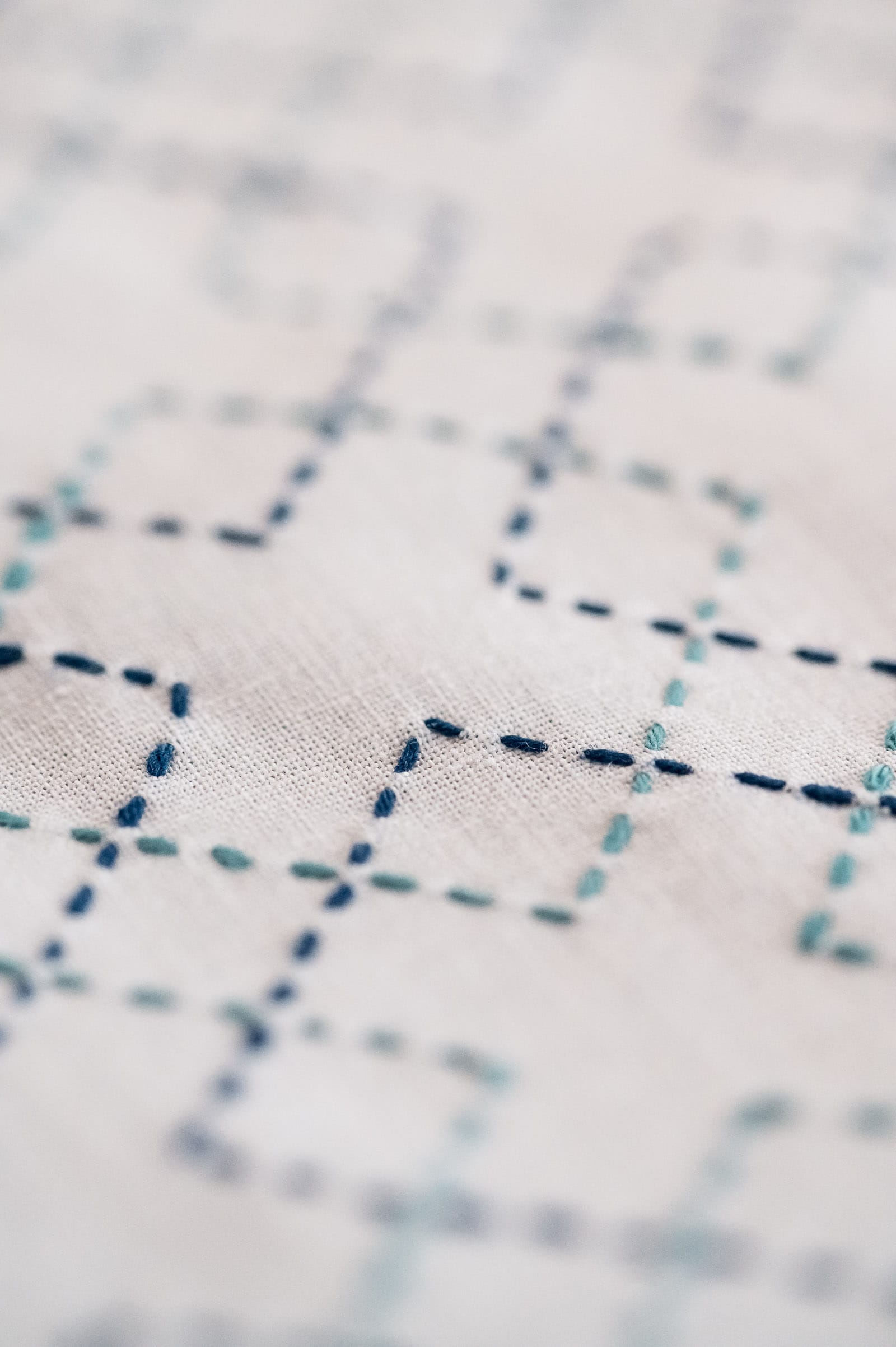
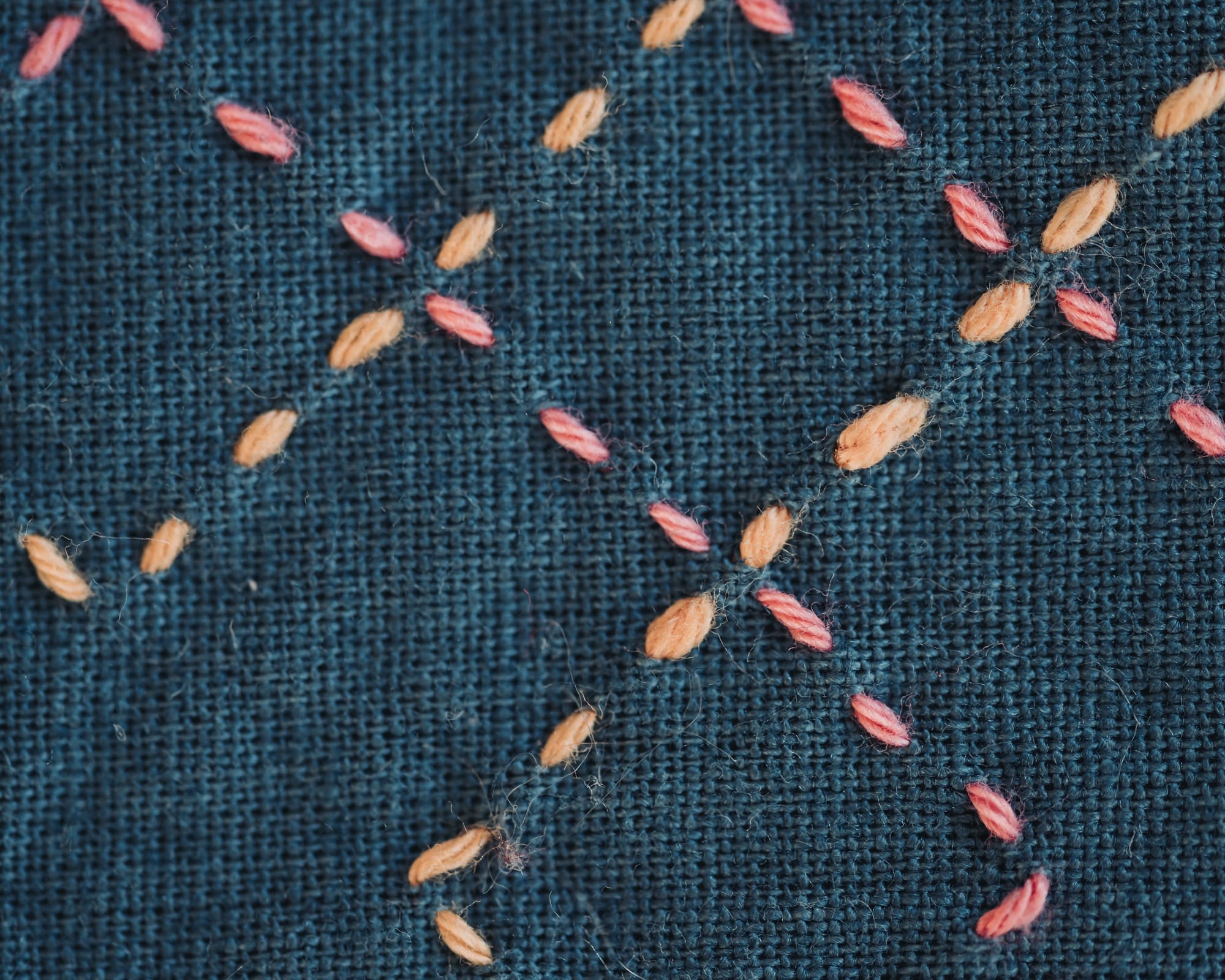
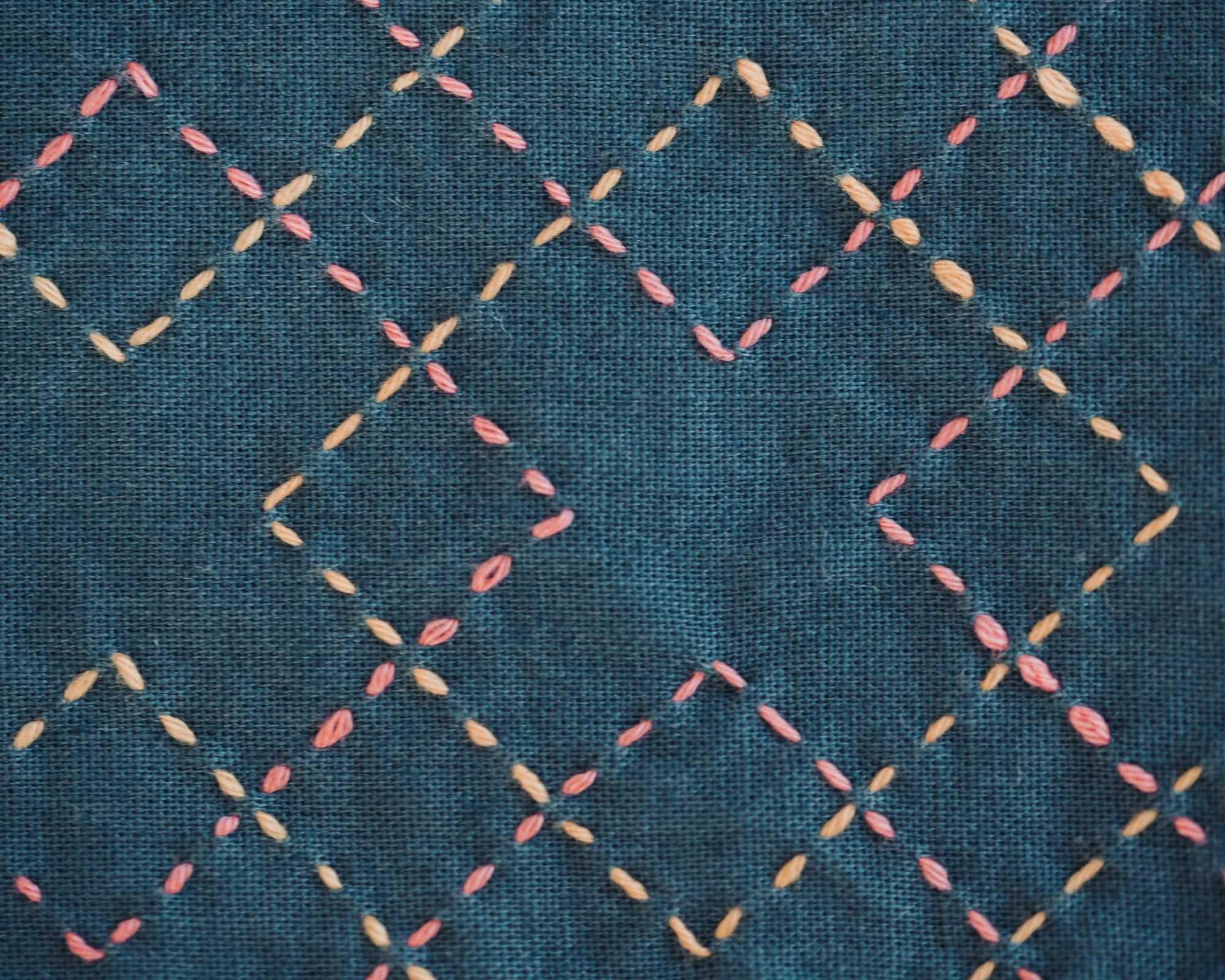
Each of the squares is stitched on its own. This makes the pattern suitable for different colors.
As I try to avoid knots in my sashiko, I usually backtrack a couple of stitches. In the case of this pattern, I go over four to five stitches as I get back to the beginning of a square.
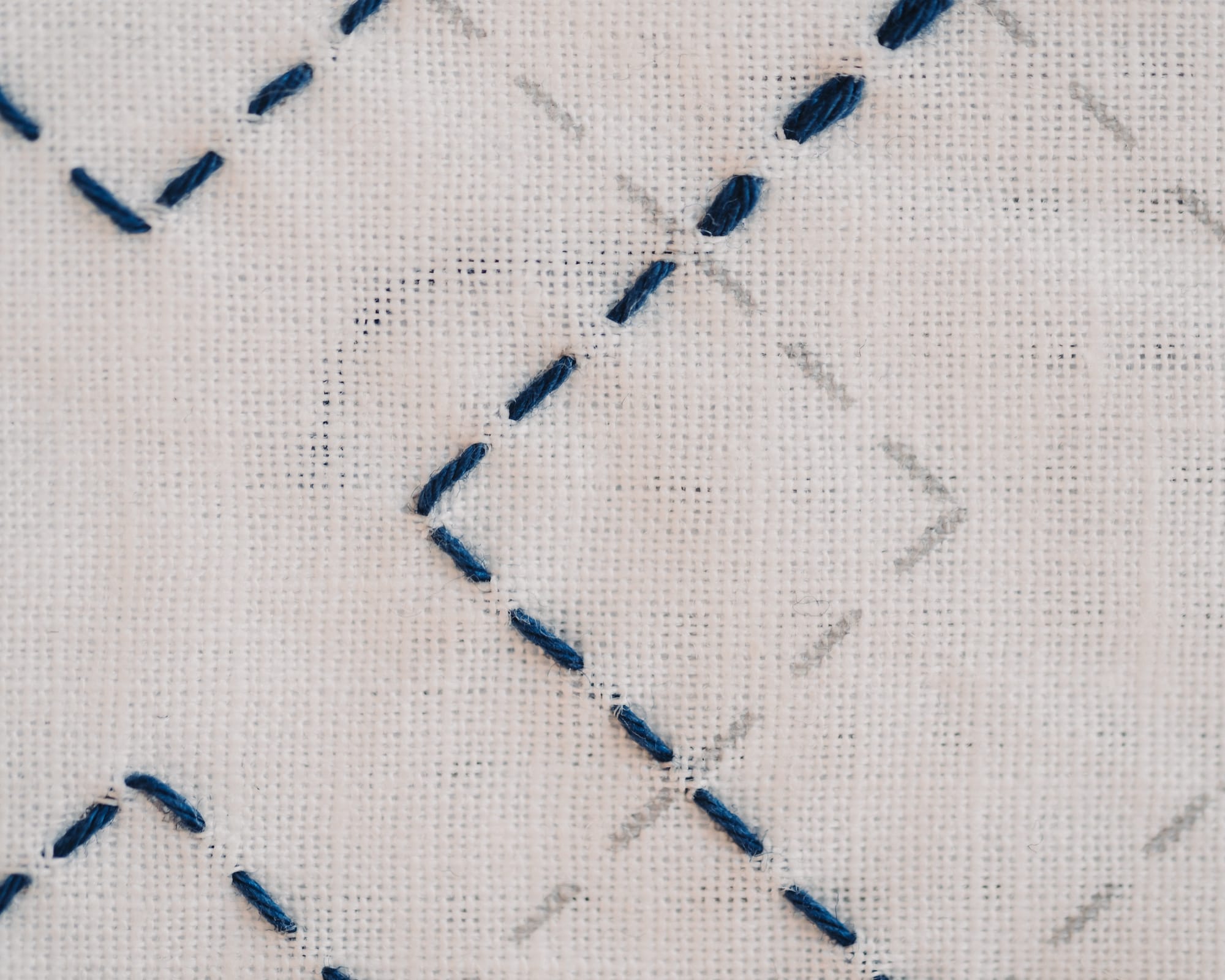
In the photo below, you can see a couple of stitches that look more prominent. Usually, I use two layers of fabric, but in the example below, I only used one. That is why I couldn't hide the parts that I went over twice in between the layers.
So, for this pattern, I would recommend you work with two layers and hide the thread in between the layers instead of piercing all the way through the top layer to get a more consistent look.
If, for some reason, you can't, don't fret! After a couple of rounds in the washing machine, the double stitches won't stand out so much any more.
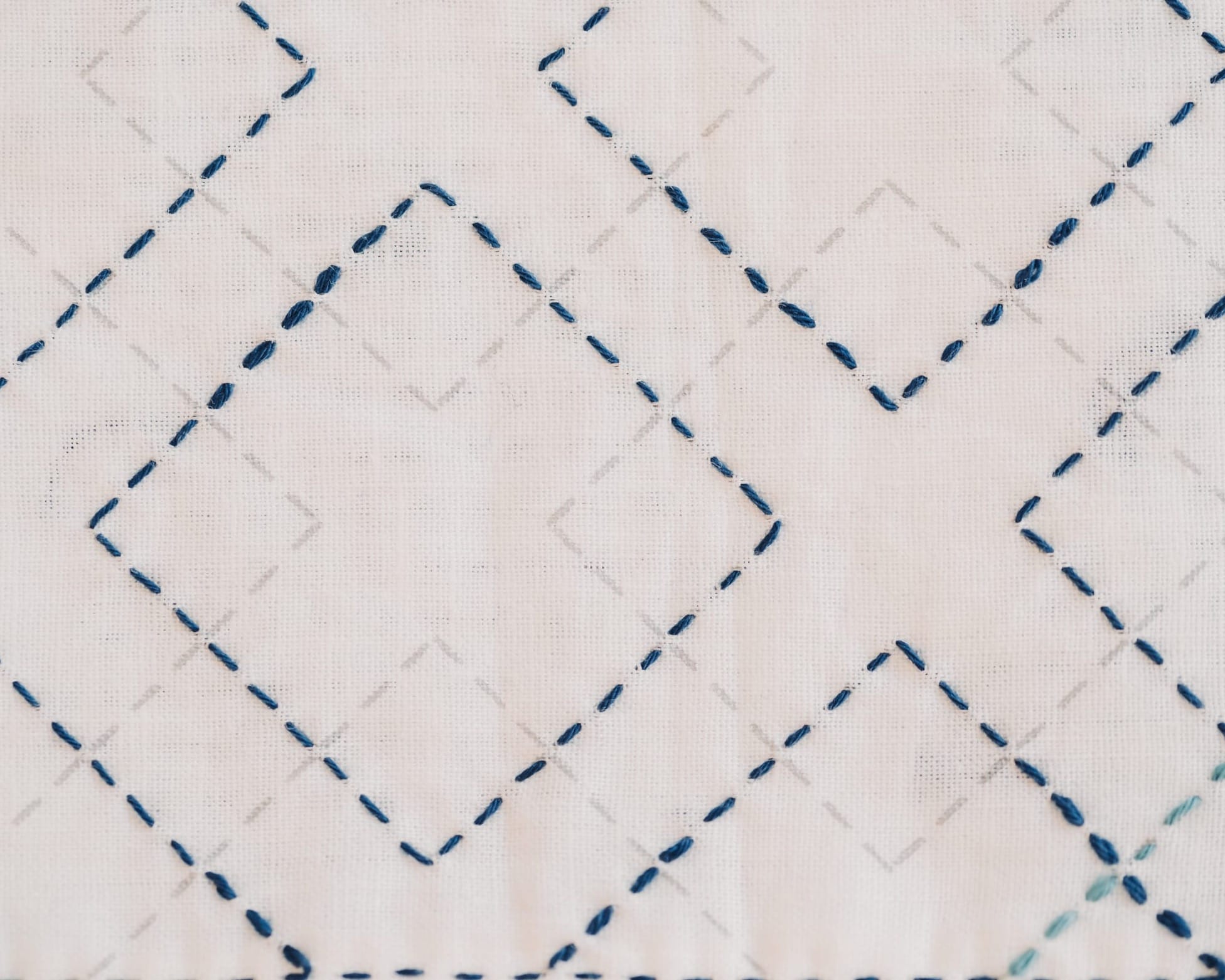
To get sharp-looking corners, make sure one stitch reaches all the way into the corner.
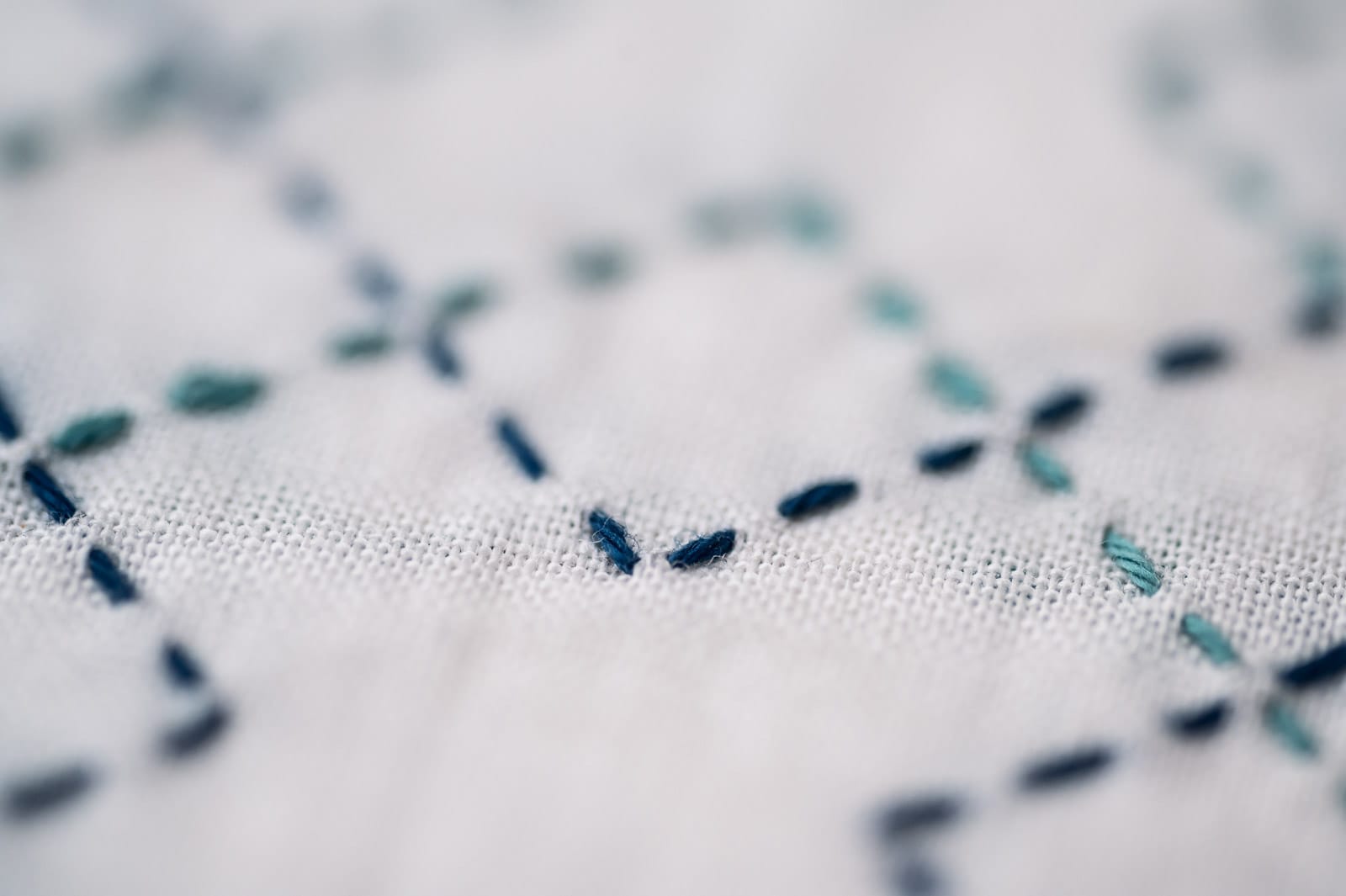
When crossing other squares, leave a blank for a neat look, but don't forget to have fun while stitching.
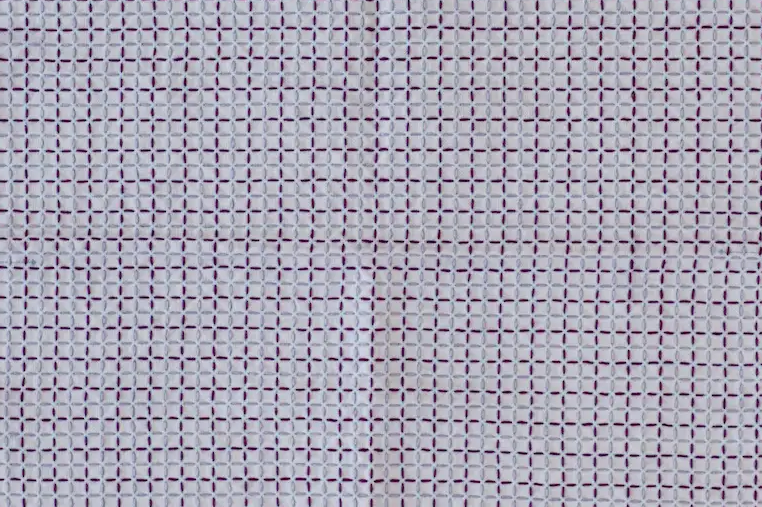
You can easily draw this pattern onto fabric yourself. If you want the best supplies for this task, look at my recommendations for transferring sashiko patterns.
Comments ()